The “Gateway To Nikko”, Utsunomiya, is a great place to start a road trip in the northern Kanto area. It is a fairly large city, and the capital of Tochigi prefecture, landlocked but with some of the most interesting sceneries in Japan.
Utsunomiya is less than an hour away from Tokyo station with the Tohoku Shinkansen, the third stop from Tokyo (after Omiya and Oyama). As of this writing, it will cost a little more than 5000 yen for a one-way ticket, which is a great time-saver even if the toll for one vehicle from Tokyo comes to about the same. But by taking the train from Tokyo station at 7 AM, you can be there when the first car rental agencies in Utsunomiya open at 8 AM. If you want to save money, you can take the local train, which takes 2.5 hours but costs less than 2000 yen from Tokyo station, and you get a much better view of the countryside.
The seasonal changes
Depending on when you take the trip, the experience will be completely different. If you go in winter, there will be snow in the mountains. A good year the skiing in Nasu is equal to that in more well-known ski resorts such as Nagano or Niseko. But winter also means driving is more difficult (although no less fun), and that heavy snowfall can close roads.
If driving in summer is different from driving in winter, the driving conditions will be pretty much the same in spring and fall, but the views will be completely different. Cherry blossom in Tochigi usually happens toward the end of March – beginning of April, with the higher elevations not starting until the first few days of April. Entire mountainsides turn pink, and the cherry trees speckle the landscape, heralding spring.
As the green leaves sprout, the wisteria will bloom, and not just in Ashikaga Flower Park. Go to any forested area, and you will see blue specks dotting the green. There are wild wisteria everywhere.
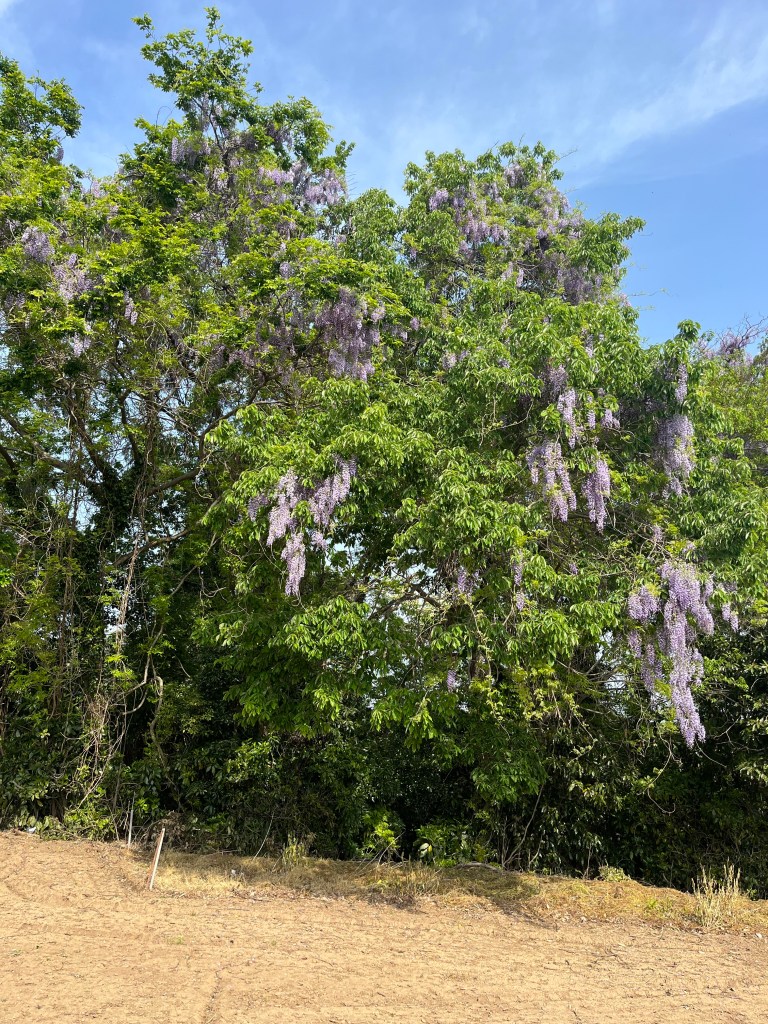
At the end of September, the trees at high elevations start shifting to fall colors, although October and the beginning of November are when the fall color watching is at its best. The mountains turn from green and brown to gold, red, and yellow. The color change is even more pronounced at the edge of the mountains, where the green of the cultivated lands meet the forest covering the mountainsides.
Read more about driving in Japan here, and about renting a car here. Or get my book about driving in Japan, which is written to be helpful reading.
1.Nikko
Nikko is world-famous as the burial place of the shogun who founded the pre-modern Japan, Tokugawa Ieyasu. It is also a UNESCO world heritage. But Nikko is a national park as well.
Utsunomiya – Nikko
It takes only about 40 minutes to drive from Utsunomiya to Nikko, which means you will be there when the main shrine opens at 09:00, if you managed to get your car at 08:00. Note that while there is free parking at Nikko, it is most likely already taken even if you arrive when they open; there is paid parking, which is somewhat reasonable at 500 yen per vehicle; it is better to leave your car there and walk throughout Nikko.
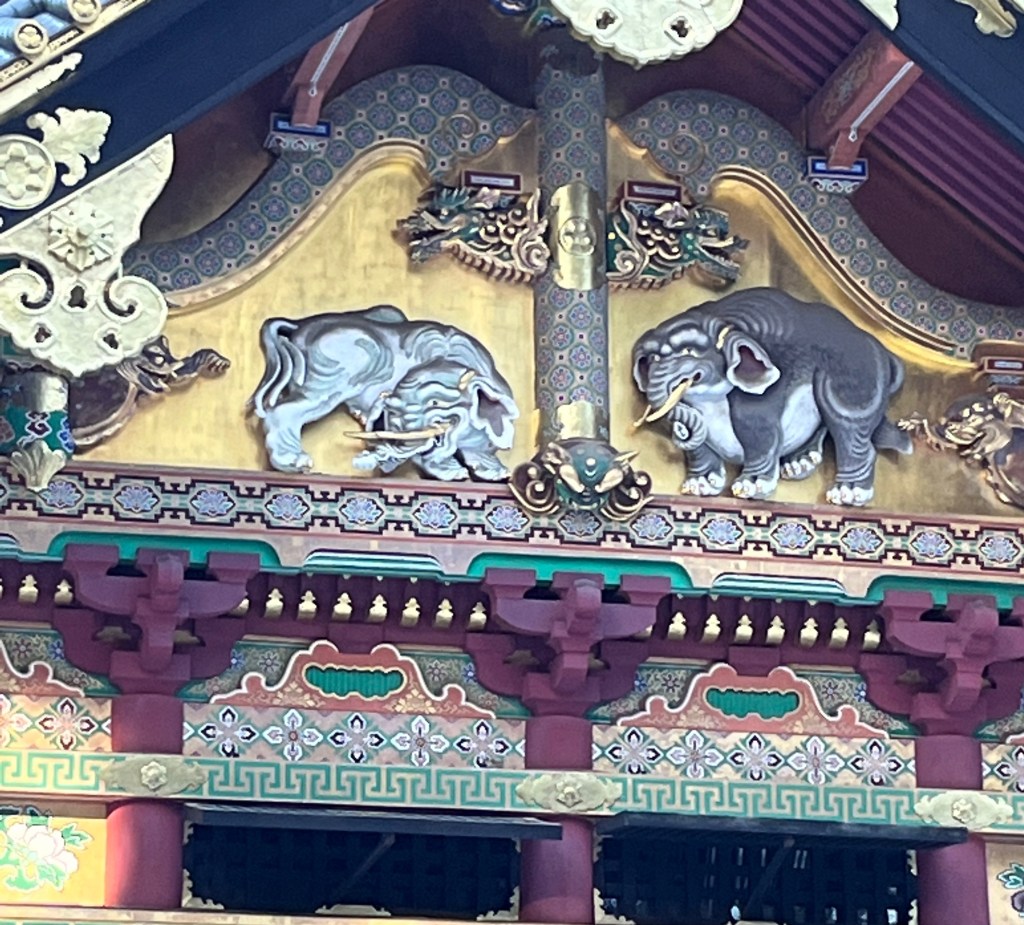
The temples and shrines around Nikko can easily fill a day, although perhaps not if you have small children. But half a day is probably enough.
Lunch in Nikko
Get lunch in Nikko. If you cross the bridge from the shrine and temple area to the little city, there are plenty of restaurants.
Since Nikko is in the mountains, the traditional food is soba noodles, preferably combined with yuba, the skin of the soy milk as you make tofu. It is 100 % protein, and has a pleasant nutty flavor. Try it with mountain herbs (山紫, sanshou).
Nikko National Park: Kegon Falls
Next to the city, shrines, and temples of Nikko is a huge national park. The park is full of natural wonders which will take several days to see.
But start with the Kegon Falls, where there is good parking. It is one of the three best waterfalls in Japan, and maybe the best. The entire Nikko area is spectacular when the fall colors set in, so if you like photography, you need to stay much longer.
Back to Utsunomiya
If you do not have time for more, go back to Utsunomiya, return the car, and go back to Tokyo. Take the Shinkansen, your children are most likely tired after all the walking, and so are you.
If you have time for dinner, remember that Utsunomiya is famous all over Japan for its gyouza, the Japanese dumplings. Try them before you go.
Overnight: Stay in Kinugawa Onsen
If you are able to stay overnight, go to Kinugawa Onsen, or one of the several hot spring towns on the road to the central Japan mountains. The atmosphere of an onsen town is different from both big and small cities. Stay in a ryokan. There are several of them, quite reasonably priced, and the board includes dinner and breakfast. Take the chance to get pampered.
Next Day: Nikko Edo Wonderland and Tobu World Square
When you have stayed overnight in Kinugawa Onsen, make your way leisurely to Utsunomiya. For lunch, there are several restaurants on the way from Nikko.
If you have kids, they will appreciate a stop in Edo Wonderland, an “old Japan theme park” that also doubles as location for making samurai movies.
Also on the way from Kinugawa to Nikko, there is the Tobu World Square, a huge park with models of famous buildings. It can be quite interesting if the weather is nice. There is also a monkey theme park outside Kinugawa. Trained monkeys are a popular form of entertainment in Japan, and if you like it, you eill get your fill here.
In season, from December to May, there is also a strawberry farm worth visiting. Japanese strawberry farms let you pick and eat all you can for a limited time, and it is the same here.
If your day is not full yet, there is a small zoo in Utsunomiya on the way back, with petting animals that let you feed the giraffes.
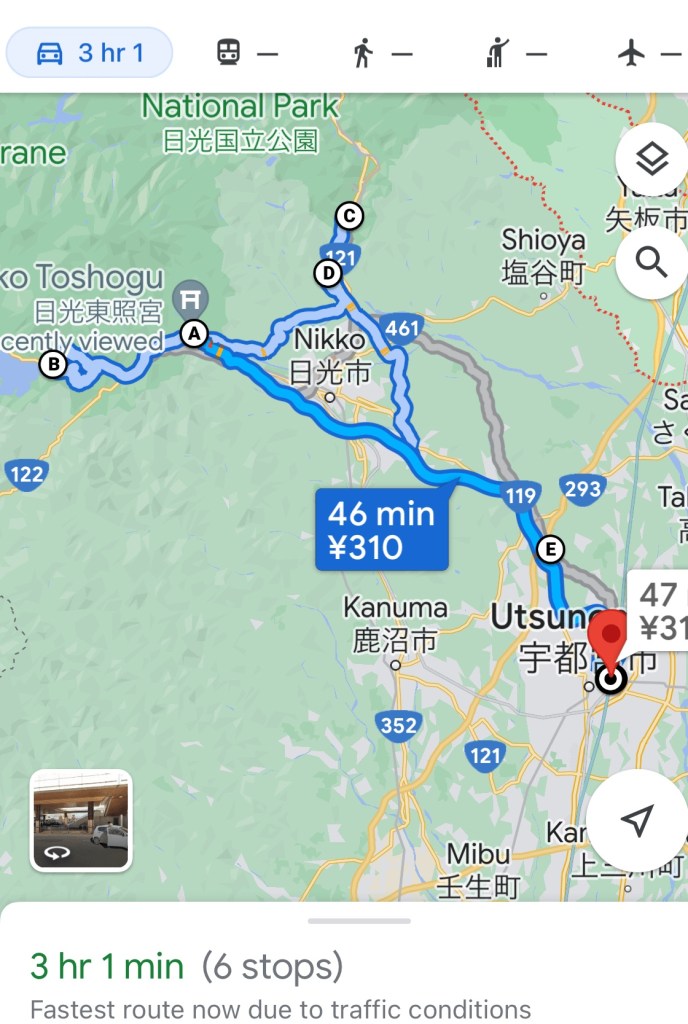
Return the car, have dinner, and feel assured that you have made the most of your Nikko road trip experience.
Do you want a detailed description of how to drive, what the opening hours are, where you should stay and what you should eat? i will publish it as an ebook, but if you use the link at the end of the article, you can get it at a discounted price!
And by the way, if you thought this was useful, you will probably appreciate my book “Driving In Japan” about how to navigate the traffic on Japanese roads. You can read the table of the contents for the book here, and get it right away from a number of participating e-book stores.
2. Nasu Kougen
The Nikko national park is centered around mount Nanta, but there is another national park in Tochigi, no less worth a visit. It is a one hour and 20 minute drive from Utsunomiya.
Utsunomiya-Nasu Kougen
From Utsunomiya, head north on the Tohoku Expreessway. The toll is 1500 yen but it is worth it compared to trying to navigate the back roads.
Get off the highway at the Nasu Interchange and head right on Nasu-Kaido, route 17 (north, up the mountain) towards mt Nasu and mt Chausu.
Nasu Kougen
One of the most important sights in Nasu is the Killing Stone, where a field of desolation surrounds a bug rock. The evil spirit of a nine-tailed fox was imprisoned in the rock, but it broke in 2022 and the spirit got out into the world.
Small dead animals are often found near the Killing Stone, but it is more likely that they are trapped by poisonous gas than a nine-tailed fox spirit. There are several volcanic vents in the area, with caution signs.
You should have lunch here, before you go on. As in all mountain areas, soba noodles are the traditional food. But several of the many hotels in the area also offer lunch.
Mt Chausu
The road up the mountain is winding, and may take much more than the 20 minutes Google Map advises. But once you get to the ropeway entrance, you are already awarded by the view, and when you take the ropeway to the top it is even more splendid. You need to get there before 15:00, since the ropeway closes at 16:30 and it is a very long walk down.
Shika no Yu
The volcanic activity this is also the reason for the onsen in the area, going back to the 7th century and with history including famous people visiting from the 13th century onwards. The Shika No Yu in Yumoto Onsen (the main public bath) is worth a visit, and a morning dip before going on. Or you may want to stay in the area, there is no lack of sights around the Nasu Onsen. Do it when you come back from mt Chasu, as the onsen closes at 18:00.
Go back to Utsunomiya or Stay overnight in Nasu
In winter, Nasu is a great ski resort, and it is worth while staying for a few days if skiing or snowboarding is your thing. There are several hotels and ryokan in the area, and if you go a little distance away from Yumoto Onsen itself, there are cottages for rent, glamping resorts, and a huge variety of places to stay.
If you have kids: Visit a zoo or an amusement park
Nasu has several zoos. The Nasu Safari Park allows you to see exotic animals and feed the lions (if you take the tour). At Nasu Monkey Park you can ride elephants and see various kinds of animals. At the Nasu Animal Kingdom you can experience different kinds of birds and petting animals.
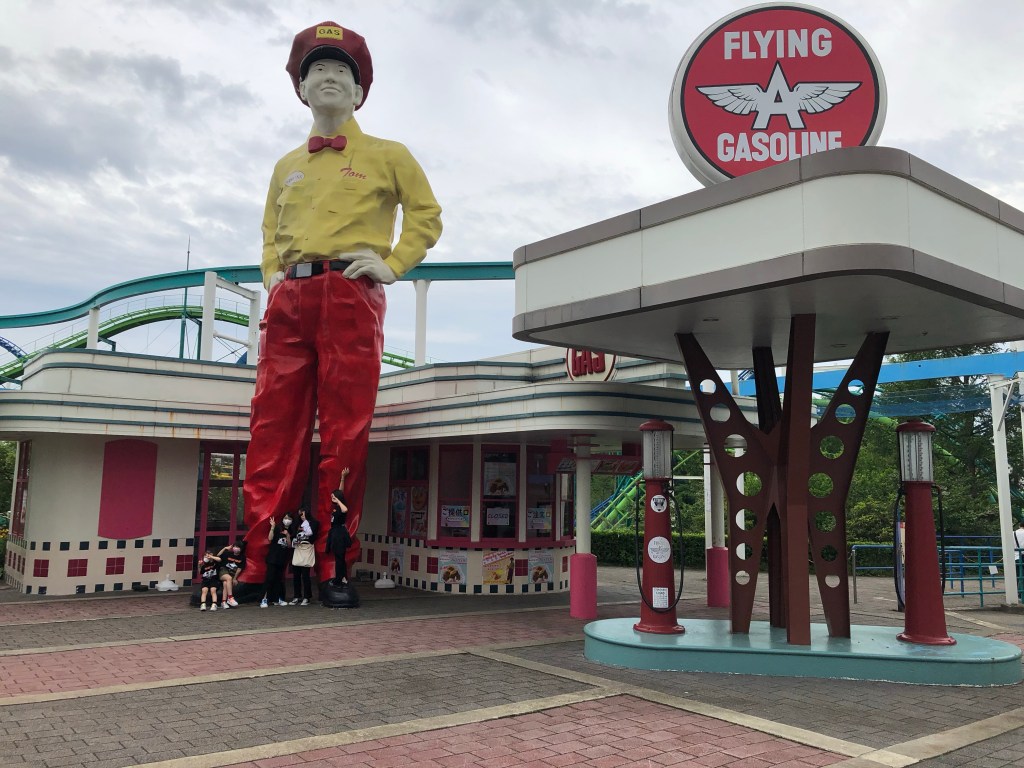
If you want your kids to be entertained, head to Nasu Highland Park, a fairly large amusement park with various kinds of rides snuck into the foothills of mt Nasudake. The park is fairly big and the rides are included in the entrance price, but not the meals.
If you do not have kids, or if your kids get tired of the rides, you can go to Shirakawa, the next town up the Tohoku road and actually located in Fukushima prefecture, where there is a reconstructed castle tower in the ruins of the Shirakawakomine castle. A little further south is the Fukushima Cultural Property, an archaeological museum with reconstructions of homes from different historic eras.
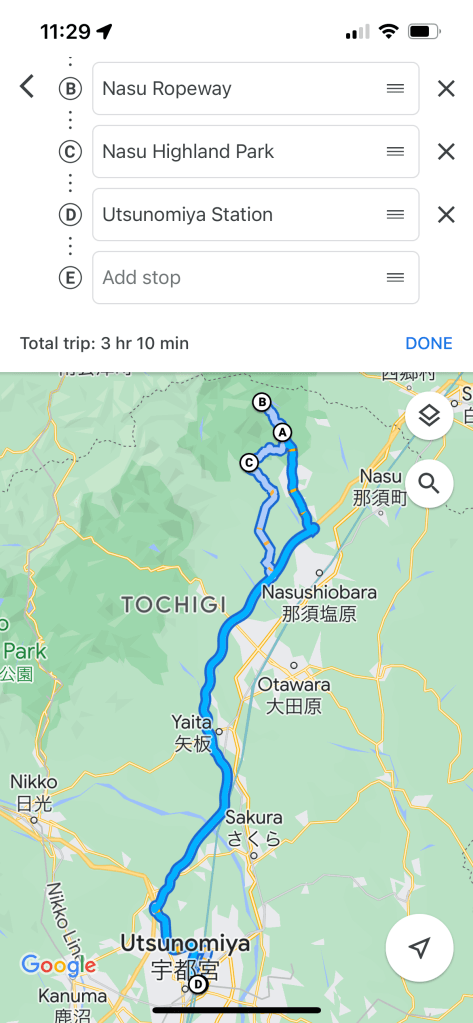
You can also stay in the Nasu area, where there are plenty of sights like a cheescake factory, museum for Japanese rhinoceros beetles, stained glass museums, and hundreds of stores selling various knick-knacks to the tourist.
3. Ashikaga Flower Park, Sanno Ramen, and Iwafune From Oyama
Instead of leaving the train in Utsunomiya, you get off at Oyama, the Shinkansen stop before Utsunomiya. It is slightly closer and the rental car agencies open at either 08:00 or 08:30, which means you get to sleep a whole 40 minutes longer.
Oyama to Iwafune
Oyama is a fairly big city but does not have a lot of things to see, so head to Iwafune on route 50. It takes about half an hour from when you leave the car rental agency.
Iwafune is a small town but its sight is that much bigger. It is a rock pillar jutting out of the Kanto plain. Like so many other high places there is a temple on top; different from many other mountain temples the temple in Iwafune has a mile-wide view, well worth navigating the serpentine narrow road to the top.
It takes a good hour to walk around the temple grounds and see the sights, so take your time. It does not take long to go to lunch, but be prepared for a little wait.
Iwafune to Sano
Sano is a small town, but it is punching well over its weight. And the reason is its ramen. Every weekend, there is a several kilometer long line of cars waiting at the exit to the Sano service area, where they line up to try the Sano ramen.
The ramen is however even better in the city of Sano, where there is a ramen restaurant literally on every street corner, and the locals keep going to different restaurants to check how well they are doing. Sano is so famous for its ramen that it attracts thousands of visitors every year who come just for the ramen.
There are literally hundreds of ramen restaurants in Sano, and it is impossible to say which is the best. And to be honest, they are all so good that you do not have to choose. Just select a restaurant which has a relatively short line outside. If the line is long, you will have a long wait for lunch; if there is no line, you may either be lucky or the restaurant has no customers because it does not fulfill the high standards of the Japanese customers. A short line means the restaurant has customers who want to try it, but that it is not so famous that customers are willing to wait just to eat there. And there is a risk that a too popular restaurant will have to close early because they run out of noodles.
If your main interest in life is shopping, you may want to delay your visit to Ashikaga an hour and go to the Sano Outlet Park. They mostly have international brands, or Japanese versions of Western goods. Prices are about 20 % lower in a regular store and you can get the tax back (ask for a pamphlet explaining the system, which is a bit complicated and does not really pay off unless you make fairly large purchases – in the order of several hundred thousand yen). and be prepared for it to be really crowded, unless you visit a weekday.

Sano to Ashikaga
From Sano, it takes only about 20 minutes to go to Ashikaga Flower Park. But the parking may be crowded in season.
The season in Ashikaga is from mid-April to mid-May, when the wisteria are in bloom. Ashikaga Flower Park has one of the oldest and biggest wisteria trees in the world, more than 160 years old and covering more than 1200 square meters. But it is only one of 350 wisteria trees in the park, with several others forming wisteria tunnels, white wisteria, and other rare variants. On the way you may see some wild wisteria in the forests as well. Wisteria in Japan are almost as loved as ume trees even though they do not yield anything but their beautiful flowers. Well, they keep demons away, too.
The wisteria season is really when everyone wants to visit Ashikaga, but it is not the only season. The park is a flower park, dedicated to showing the beauty of flowers all year round, so they have divided the year into eight themes after the flowers you find at the different seasons. This means there is always something to see, but if time passed faster than you expected, there is one more thing you may want to see in Ashikaga before you go back and drop off your rental car.
In Ashikaga, you can find the oldest school in Japan – first recorded in 1439. The place also holds a temple, because in those days, education in Japan was connected to the temples, and the curriculum was leaning heavily towards Buddhist ethics. Nevertheless, the literacy level was much higher than in any comparable country at the time. It is well worth a visit, but it closes already at 16:30.
Back to Oyama
You can go straight back to Oyama if you only want to make this a one-day trip. It will take about 45 minutes to an hour.
Stay overnight in Kiryu
When pilgrims wander (or nowadays take the bus) to visit different temples, they can as a rule stay overnight in the temple they are visiting. In the Edo era, this was one of the few ways to get a travel permit. Without one you would get arrested quickly.
Today, pilgrims visiting different temples take the train, or organize a bus tour. Pilgrimages, which may not take you very far, are common. Most of the time the pilgrims stay in the temples they visit; they often have cooking facilities and in Japan you sleep on the tatami mats anyway, which means it is easy to turn a meeting room into a room where 10 or 20 people can sleep. The problem is usually when everyone wants to take a bath at the same time.
Typically, the temples do not take reservations online (you have to call the head priest), but there are exceptions. Like the Temple Hotel Kannonin in Kiryu. This is an actual temple that provides guest rooms as well. And accepts online reservations. Be aware that it can be very busy around the 24th of each month.
Next Day: Visit Coco Farm Winery
On your way back to Omiya, make a small detour and visit Coco Farm Winery.
You do not have to appreciate wine to appreciate a visit to Coco Farm. They have an excellent restaurant where they serve food that goes well with their own wine, so as a driver you are likely to be jealous. Buy a few bottles to drink at home, if you like wine. The wines have won multiple awards.
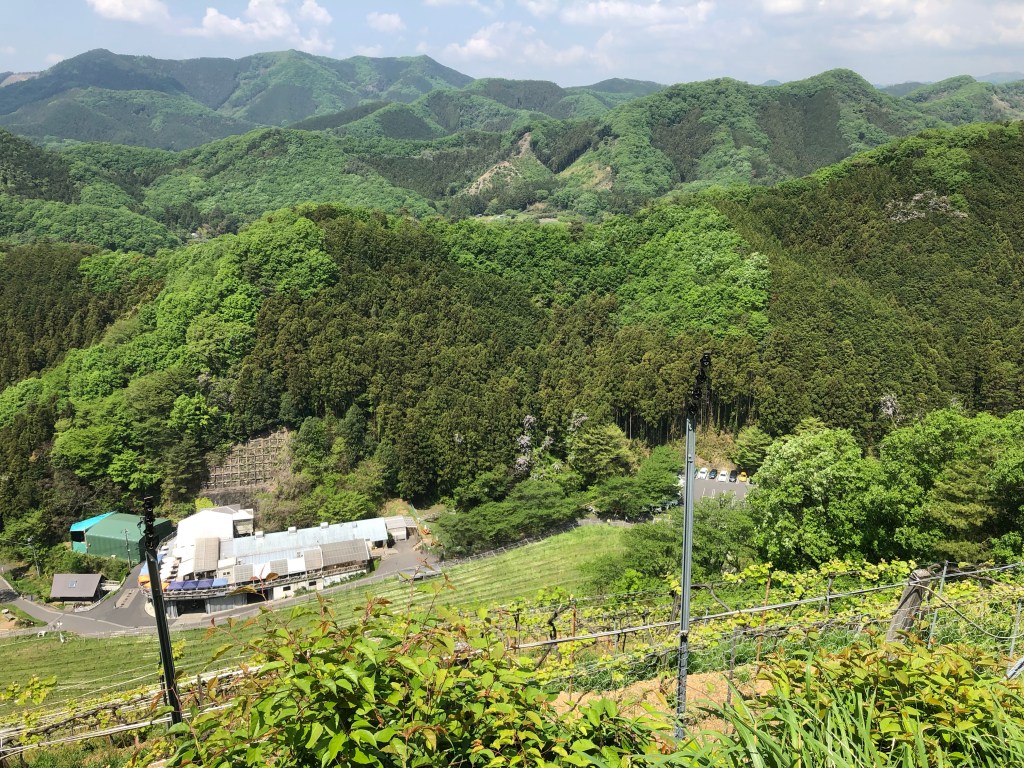
However, that is not the only reason this is a remarkable place. The main reason is that this actually is a treatment collective for people with mental disabilities. You are unlikely to see any of the members, as they will probably be tending the vineyard or growing shiitake mushrooms, but the founder had a unique philosophy whose essence is that mind and body are unified, and that hard physical labor would help them deal with their disabilities. And so far, it seems to have worked, at least judging from the wines they produce.
Kurita Museum or Watarase Retarding Basin
You can choose what you do next, deoending on your interests. Maybe you can do both.
Kurita Museum – quite close to Ashikaga Flower Park – is showcasing porcellain and other ceramics, but the setting in traditional Japanese gardens is more stunning than the exhibits themselves.
Watarase Retarding Basin is the biggest wetland in central Japan, apart from serving to take up the runoff from the Watarase and Tone rivers. It is a great birdwatching spot, especially in spring and fall when the lake is used by migratory birds. On the north side of the lake there are watchtowers and parking spaces, and also a ”childrens plaza” – essentially a big playground – for when the kids get tired of birds.
Watarase Basin to Tochigi
From the Watarase Baisin, head northwest to Tochigi City. The city is named after the prefecture, not the other way around. It is actually an old city which has done its best to preserve many of the traditional buildings.
In Tochigi, park near the river (there are free parking lots in several places) and walk the promenade along the old storehouses to the pleasure boats. As long as the weather is not too cold or rainy, a boat trip is a great way to spend some time. The pleasure boats start at 10 and close already at 16:00, because especially in winter it actually starts getting dark around that time.
Tochigi to Oyama
From Tochigi City, head back to Oyama and return the car. If you want to get on the Shinkansen and go back to Tokyo, having an “ekiben” on the train, that is one option. Bento boxes featuring local specialities have as long a history in Japan as the railroads (or maybe even longer).

You can also have dinner in Oyama, it is as famous for gyoza as Utsunomiya. But Tochigi has a considerable population of immigrants, from Asian countries, Peru and Brasil, and it is worth while checking out their restaurants before you head back to Tokyo.


4. Oyama to Ashikaga and Mountain Caves
Tochigi prefecture is famous for its mineral wealth, which includes copper mines and limestone caves.
Oyama to Ashikaga
The temple school in Ashikaga opens already at 09:00. It will take you about 40 minutes from Oyama to Ashikaga.
Ashikaga to Ashio Copper Mine (with stops at Takasudo Gorge, Kusakiko, and a musical road)
It takes about one and a half hour to drive to the copper mine in Ashio from Ashikaga, and if you make stops at Takasudo Gorge and Kusakiko, it will take about 2.5 hours, which means you are in Ashio at lunchtime.
On the way, you will encounter a musical road – thanks to grooves etched into the roadbed, you will hear the Japanese song “usagi to kame” (the rabbit and the tortoise) playing as you drive past the city of Mizunuma.
Winding mountain road to Okuno-In Limestone Cave
Driving on serpentine mountain roads with full stomachs can be taxing, so do not forget the motion sickness tablets. You need to leave Ashio no later than 13:00, so you can be at Okuno-In at 14:30, leave there at 15:00.
Okuno-in is a temple built into the cliff face, with a small cave behind it. It is not all that big, and does not have extensive relics, but there is a special feeling here nevertheless.
Okuno-In to Cave of Utsuno
It takes about 30 minutes from Okonu-Into go to the Cave of Utsuno. The cave closes already at 16:00, so you need to be there about 15:30 at the latest. It is not terribly deep so 30 minutes should be enough, but it has a number of nice stalactites.
Cave of Utsuno to Oyama Station
From Cave of Utsuno you can go directly back to Oyama station. It may be a bit early, but you will be tired from the mountain driving.
Stay overnight: Golf Resort
The mountain slopes of Tochigi are full of golf courses, often offering half-board (dinner and breakfast). You do not have to play golf to stay there. But if you do, there are a number if golf resorts in the area.
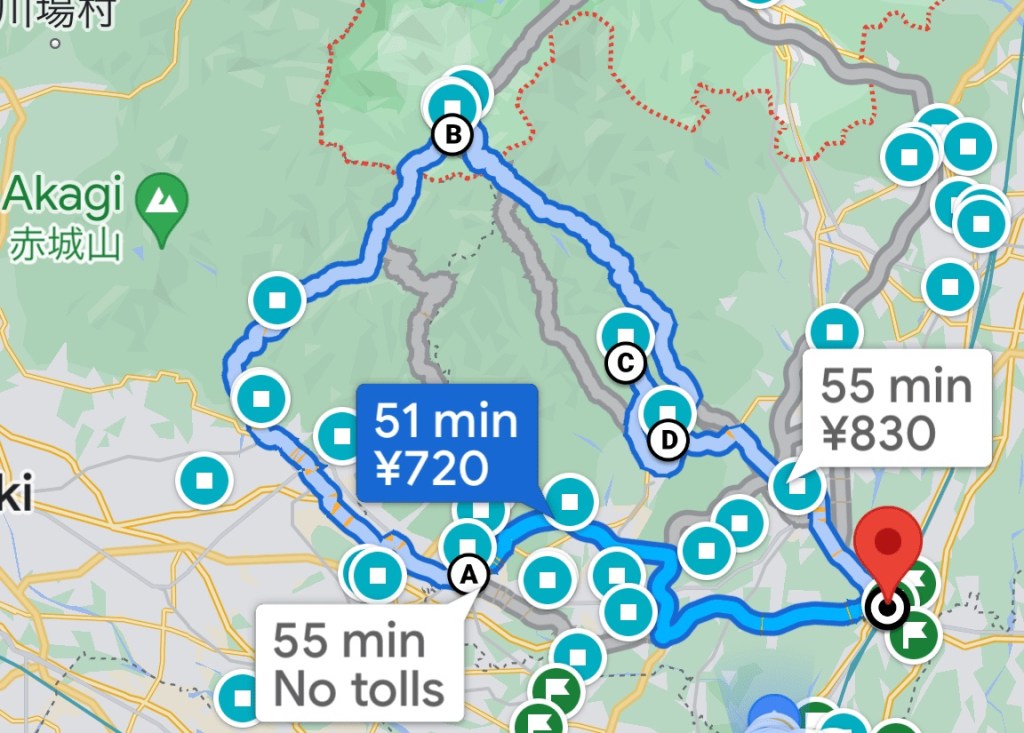
If you do not play golf, the Watarase Basin and Tochigi city are in easy reach. You can also squeeze in Iwafune in the second day trip. Or, if you have already been there, go past the northern edge of the Watarase Basin to the little town of Nogi, which has an old brick oven that was used to make almost all the bricks used to build Ginza; and an old and very traditional Shinto shrine. As you drive on towards Oyama on the old route 4, you are passing through the village of Mamada. It is named this way because this was halfway from Tokyo to Nikko on the old Nikko road – which is nothing else than the old route 4 between Koga and Utsunomiya via Oyama. This is where the nobles of the Edo era, and those from Tokyo who sought to curry favor with them and Tokugawa Ieyasu, walked to Nikko. That is something to consider as you are returning your car in Oyama.
5. Utsunomiya Stone Quarries, Strawberry Picking, and Castle Museum
This trip starts in Utsunomiya, but you do not have to drive very far – although it is easier to get around with a car than with public transport in this part of Japan.
If you drive from Tokyo and keep watch on the side of the road, you may notice the small storehouses in the farm compounds at the side of the road. These are “kura”, storehouses built to be fire resistant in a time when the main buildings literally were built from wood and paper. They would catch fire with regular intervals, in particular in winter (when fires handled carelessly would spread quickly).
The stone storehouses are whitewashed in most of Japan, but as you leave Saitama you will notice that they start to be made of stone, in particular a kind of yellowish grey stone with small grey dots.
That is Oya-stone, and it is still mined outside Utsunomiya. And that is where you will go first in this trip.
The trip takes a total of two to three hours of driving, but if you spend an hour at each stop, you will fill a day and have time for dinner in Utsunomiya too.
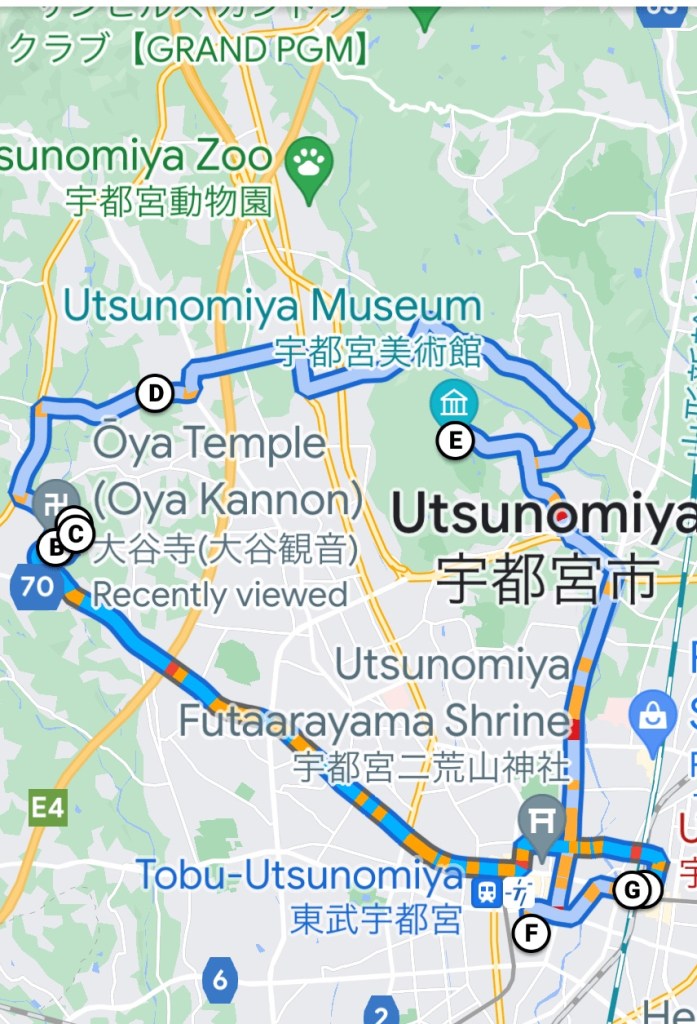
Utsunomiya to Oya Museum
The building stones come from a place just outside Utsunomiya city, and today it is a leafy suburb among the vegetable and rice fields – with dramatic grey cliffs.
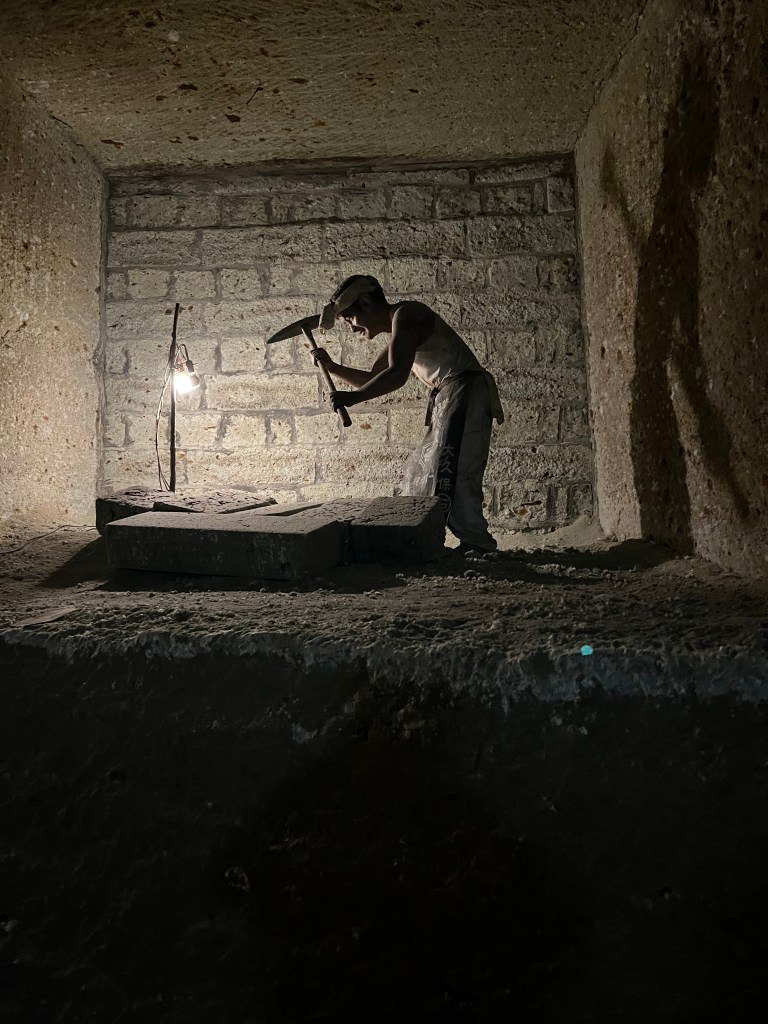
The stone is soft enough that you could mine it by hand. Until the middle of the 19th century this was the norm, and each block of stone was laboriously cut from the rockbed and carried up to the entrance by hand. The Oya Museum, housed in the old mines, have huge rooms cut out of the stone – by hand.
Oya Museum to Oya Daibutsu
Just down the road from the museum is a huge Buddha statue cut out of the rock. There are similar statues in several places but this is one of the most accessible. It is well worth visiting, and considering that it was cut out using hand tools is a bit sobering.
Oya Daibutsu to Oya Quarry
Oya stone is still quarried, although the quarry has moved and turned itself to a destination not just for those interested in building materials. Making your own pizza and baking it in an oven made from stone quarried at the spot is pretty cool. As long as it is not raining, this is a fun way to make your lunch.
Oya Quarry to a strawberry orchard
You do not want to eat too much at lunch, if you are going to a strawderry orchard for dessert. There are several around Utsunomiya, and Tochigi is famous for its strawberries. The Tochigi prefecture is landlocked and located in the middle of Japan, which means it is as far from the coast as you can get – and that there is less cloudy in Tochigi than other parts of the country. This is why you find so many solar power installations here, but also why this is such a good place to grow strawberries.
In Japan, since strawberries are grown in vinyl hothouses, the season lasts from December to May. December is particularly important for the cake market, as strawberry shortcake dominates the Christmas cake market.
During the entire season, many growers open their hothouses for pick-your-own strawberry harvests. It is best to make a reservation ahead of time, as this is a very popular activity and there are busloads of tourists coming to pick strawberries, which are usually grown in raised beds so they do not get dirty.
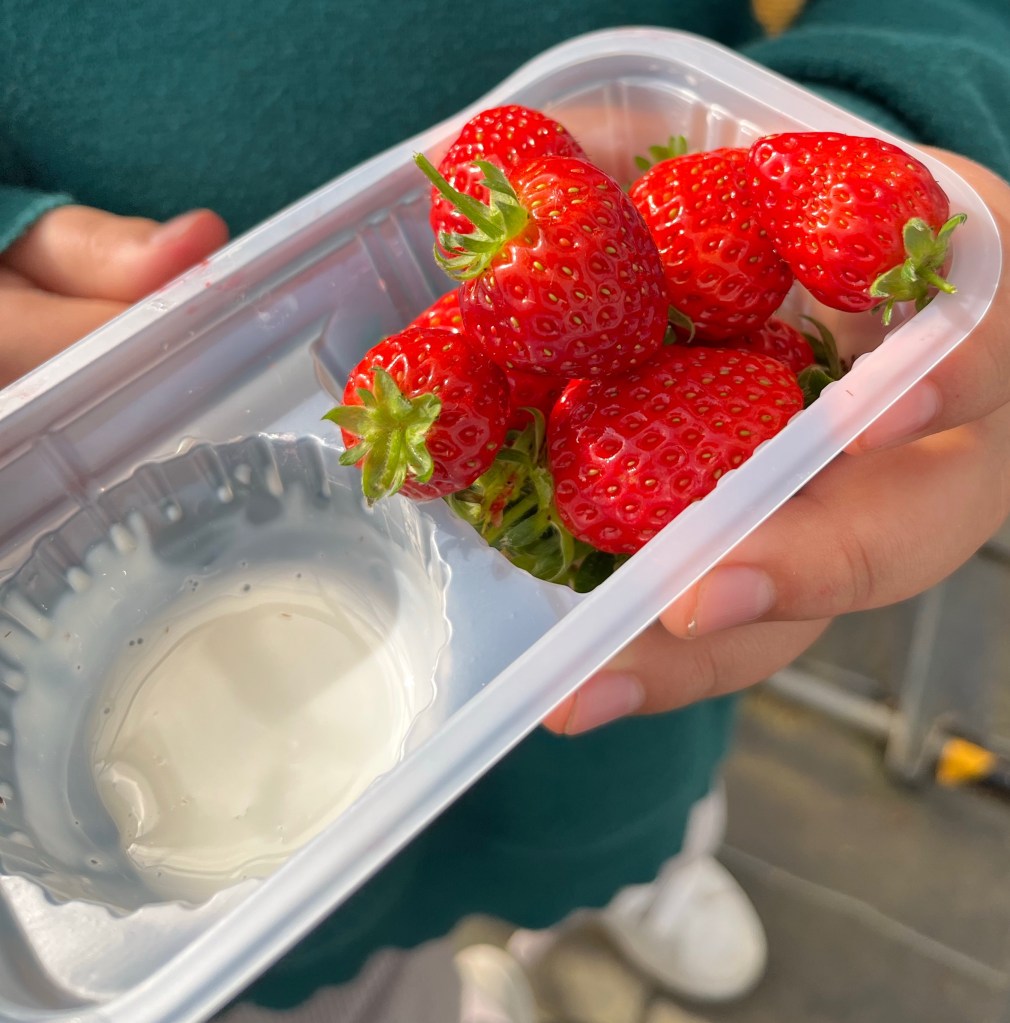
You pay a few thousand yen (prices vary) and then you get to eat as much as you can for 40 minutes. Often, you will get condensed milk in a tube as well, and a small plastic tray to put it in, so you can dip in your strawberries. Typically, there are several varieties grown in the different vinyl houses, all worth trying.
Strawberry orchard to Utsunomiya Castle
Utsunomiya was the capital of the domain that became Tochigi Prefecture, and the lords of the domain resided in Utsunomiya, when they were not forced to go to the shogun in Edo every two years.
Their residence was, of course, a castle. The original castle was built already in 1063 but it changed hands due to politics and warfare several times, during which it was also burned down – several times.
At the end of the shogunal period, the castle was burned down a last time, before the imperial rule was firmly established. Two of the watchtowers were rebuilt in 2007, giving you a feeling for what the castle must have looked like in its heyday.
The park with the ruins and the reconstructed towers is open 24 hours, so if you are running out of time, you may want to swap this for the Utsunomiya Museum, which closes already at 17:00.
Utsunomiya Castle to Utsunomiya Museum
After (or before, depending on the time) the castle park, go to Utsunomiya Museum. The museum closes already at 17:00.
The Utsunomiya Museum is a fairly big art museum, with a large collection of both Western and traditional Japanese art. The park outside is built from forest and farmland which has been allowed to reurn to its natural state, and mouses sculptures by modern Western artists, the most famous probably Claes Oldenburgs “Tube Supported By Its Content”.
Return to Tokyo or stay overnight in Utsunomiya
From Utsunomiya Museum (or even closer if you chose to end your road trip with the ruins of Utsunomiya Castle), go back to the station, and take the Shinkansen (or the Utsunomiya Line) back to Tokyo.
Alternatively, if you want a different experience, head to the Cycling Terminal Komori-Kan, which is close to the start and finish for the Japan Cup road cycle race. Or head east from the city center, where you can stay in a tent in the middle of nature at Haga Farm and Glamping. Beware that the hot summer in Japan can make the air of the tent oppressively hot, even with the mosquito nets letting air through.
If you plan to stay overnight, it is only 45 minutes to Oogane, where there are several onsen hotels and waterfalls in the Arakawa and Naka rivers. The region is quite beautiful and well worth a visit, as is the Nakagawamachi art museum, which has a collection of rare Japanese woodblock prints.
Did you find this useful? Then chances are that you will find my book “Driving In Japan” even more useful. You can read the table of contents here, and get the book right away here.
 Japan Top 10