You probably know that the Shinkansen trains in Japan are the fastest conventional trains in the world. But the explanation to why they are so fast is not only the speed. Actually, it is not even the explanation.
The Shinkansen trains are so fast for two reasons: the tracks go in a straight line between the stations (as straight as they could make it, anyway); and there are few stations. That is also the reason some Shinkansen trains are faster than others. They do not stop at as many stations. This is why you can get from Tokyo to Sendai in two hours.
The same trick can be applied to other trains as well – and increasingly are. A few years ago, trains stopped either at all stations, or the biggest ones – the limited express trains. But they only ran on the lines operated by the company who owned them. And only from their own stations. If you wanted to go with the Seibu line, you had to go to Seibu-Ikebukuro with JR or the subway.
But that changed in 2007. When JR – Japan Railways – created the Suica electronic pass ticket, the private railways and the two subway companies joined forces and created a joint electronic ticket pass. Soon after, as the Fukutoshin line was built, the private rail companies and the Tokyo subway started to interconnect their tracks. Now you could go with direct trains on the combination of the private railway and subway from Haneda to Asakusa, or from Yokohama Chinatown to Gunma.
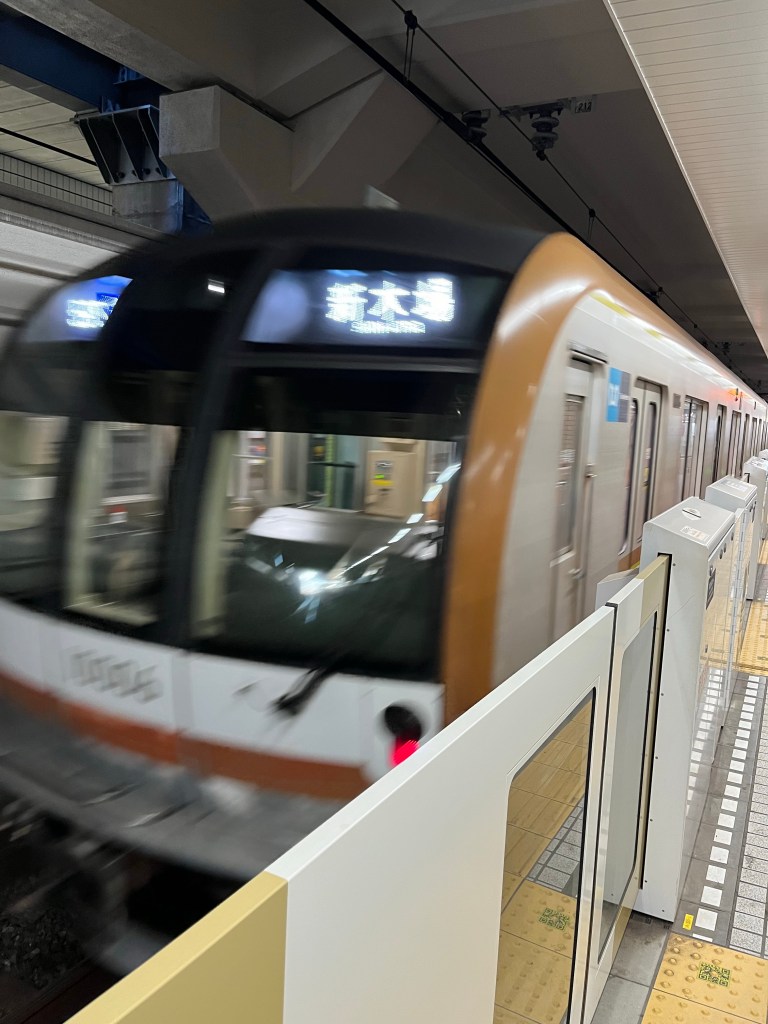
Now, six years later, the train lines have started to run express trains on the interconnected lines, all the way to the subway stations which are the biggest destinations for commuters.
And of course these trains are express trains, taking over where there used to limited express trains. It has made life much easier for commuters – and for tourists who want to see more than the center of Tokyo.
 Japan Top 10
Leave a comment